
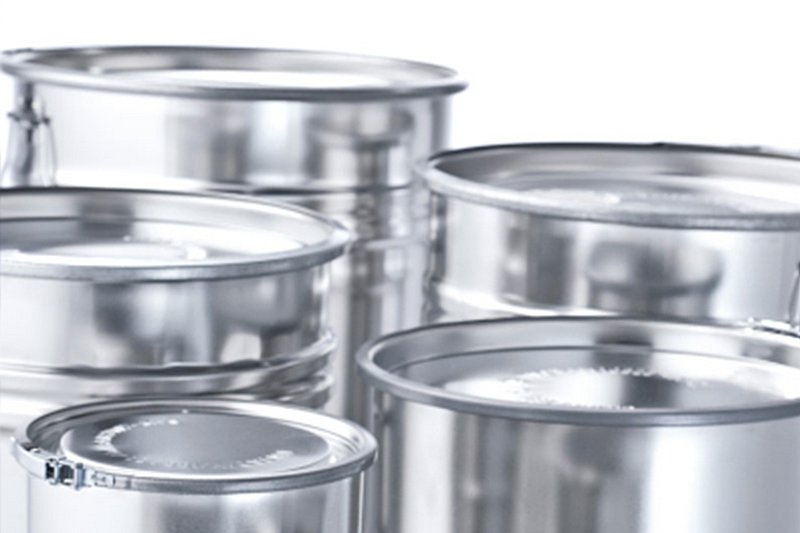
A secure and reliable supply for customers and markets can no longer be taken for granted. Providers of metal packaging made from steel and tinplate for chemical products and hazardous substances must ensure stable and diversified raw material supplies. Only those who build resilient supply chains and identify and mitigate regulatory risks at an early stage will remain a reliable partner for the chemical industry and its customers.
Since January 2026, the EU’s Carbon Border Adjustment Mechanism (CBAM) has entered its definitive phase. Among other things, imports of steel and iron from third countries are now subject to strict emissions reporting requirements and directly applicable payment obligations. This means that companies relying solely on low-cost imports for the raw materials used in steel and tinplate packaging face extensive bureaucracy, verification requirements and CO₂ certificate costs. Reliable, European and low-carbon supply chains are therefore becoming increasingly important.
We have been monitoring these developments very closely over recent years and, many years ago, established a reliable and resilient procurement logistics system together with our trusted partners. We live by partnership and, in doing so, ensure delivery reliability and sustainability for the benefit of our customers. The effectiveness of our strategy has been impressively proven, especially in challenging times — whether during the COVID-19 pandemic or under current market conditions.

